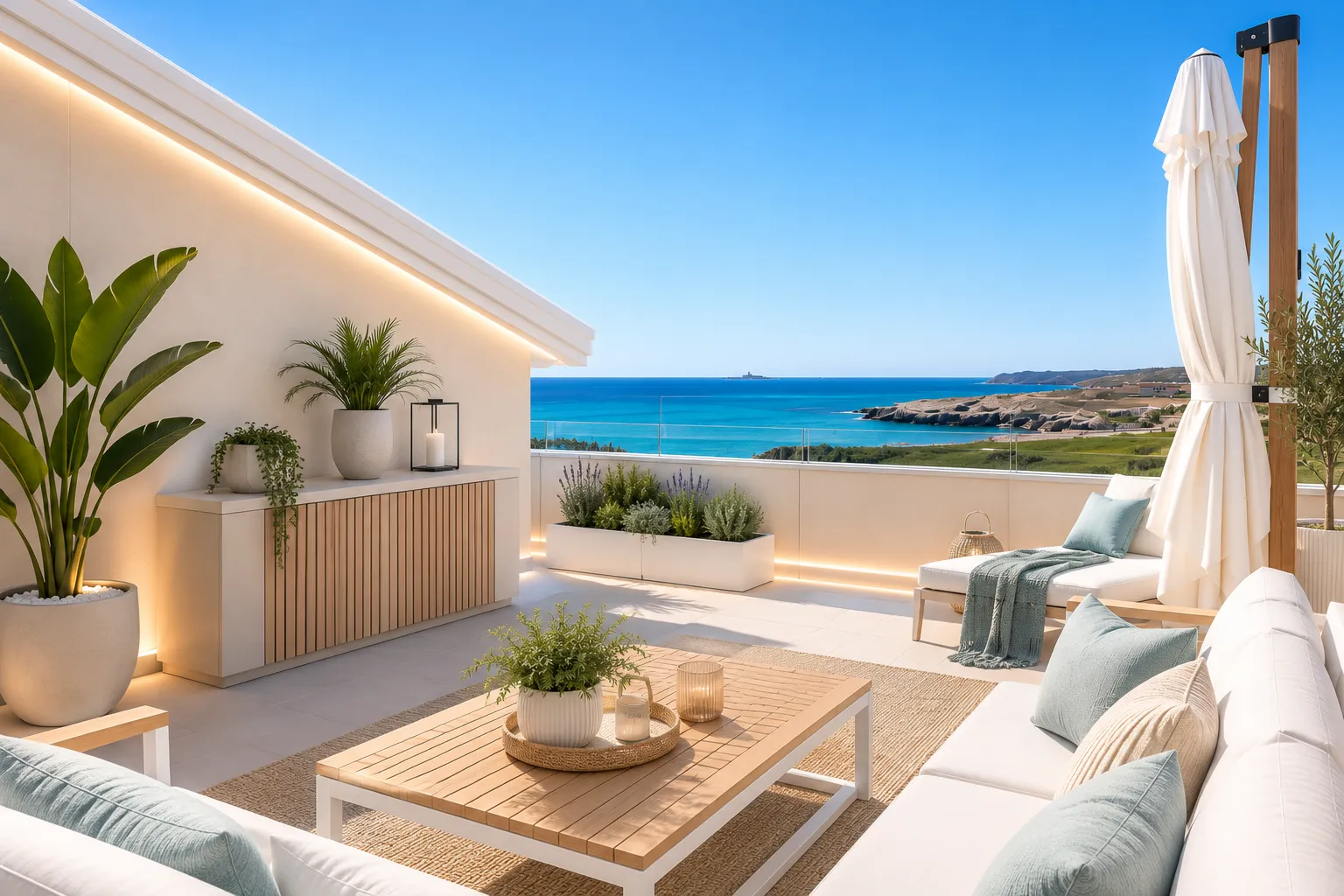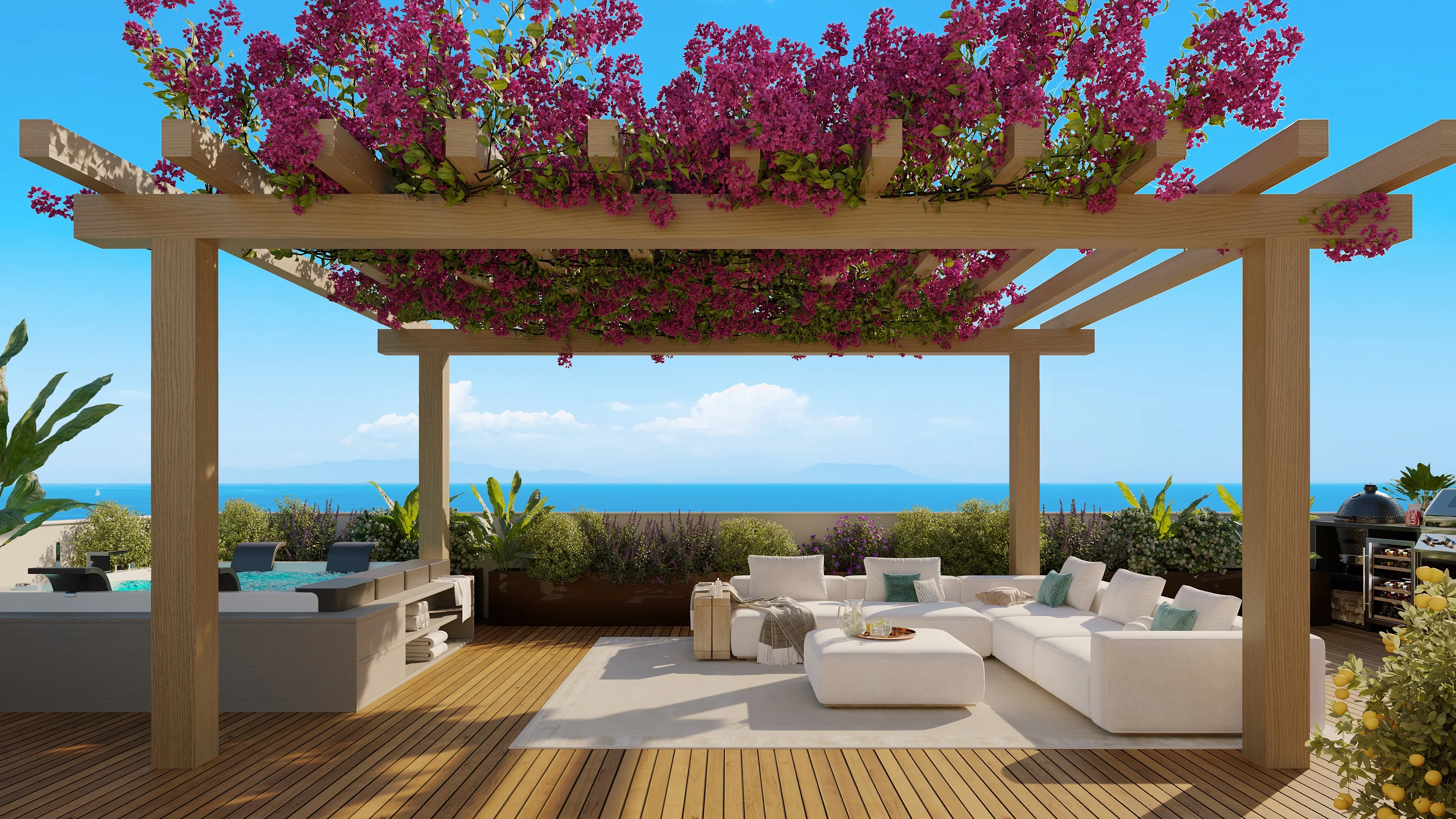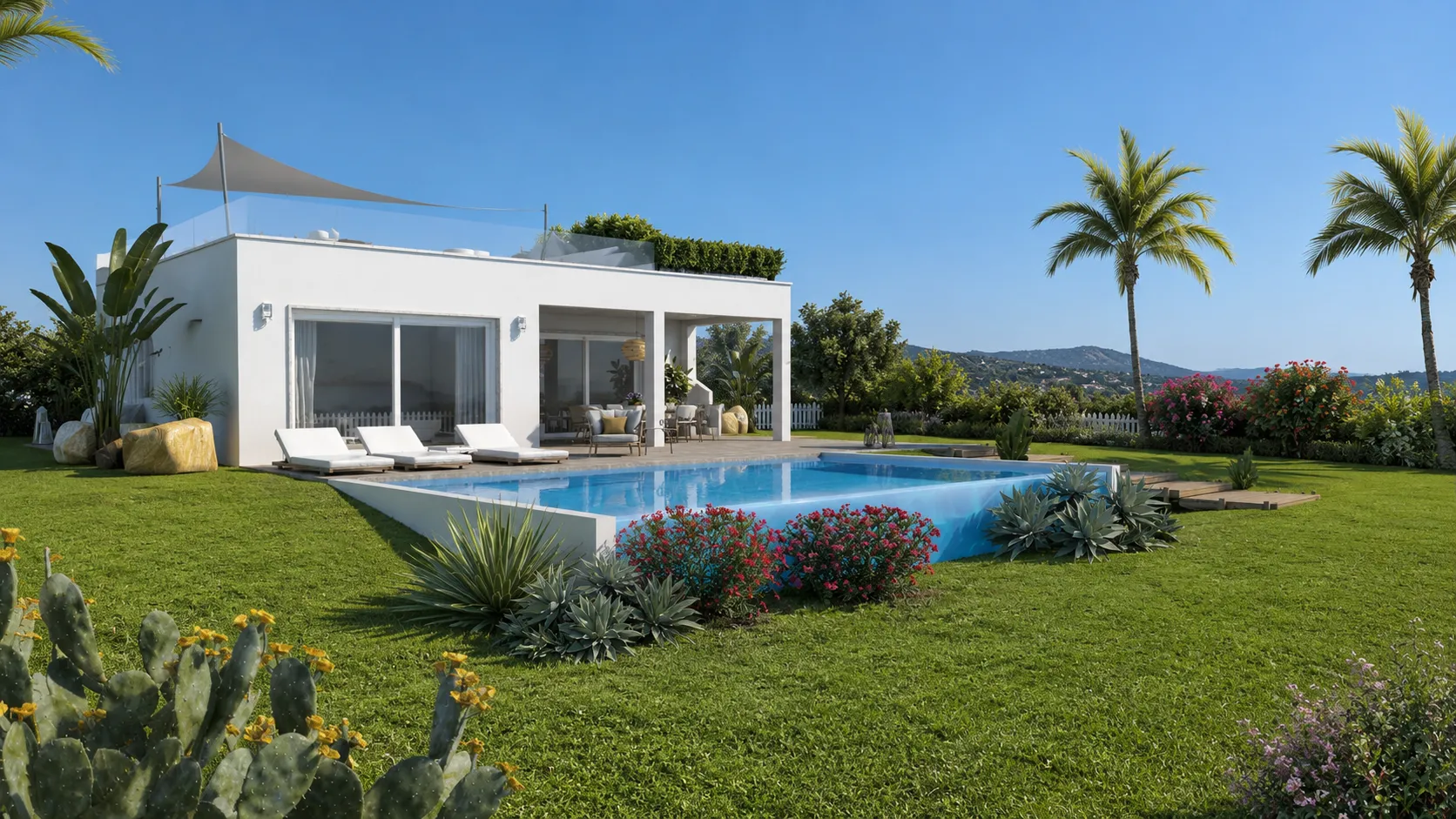
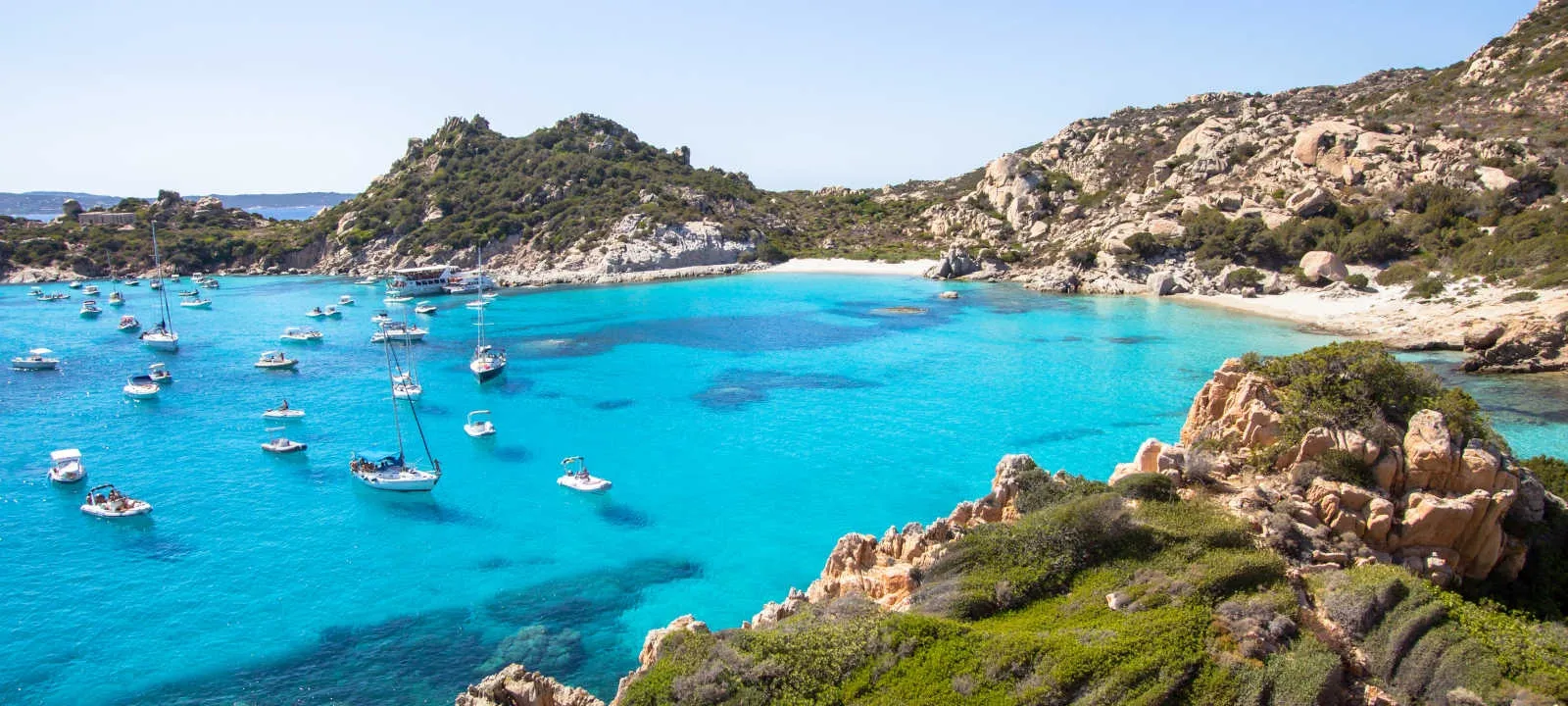
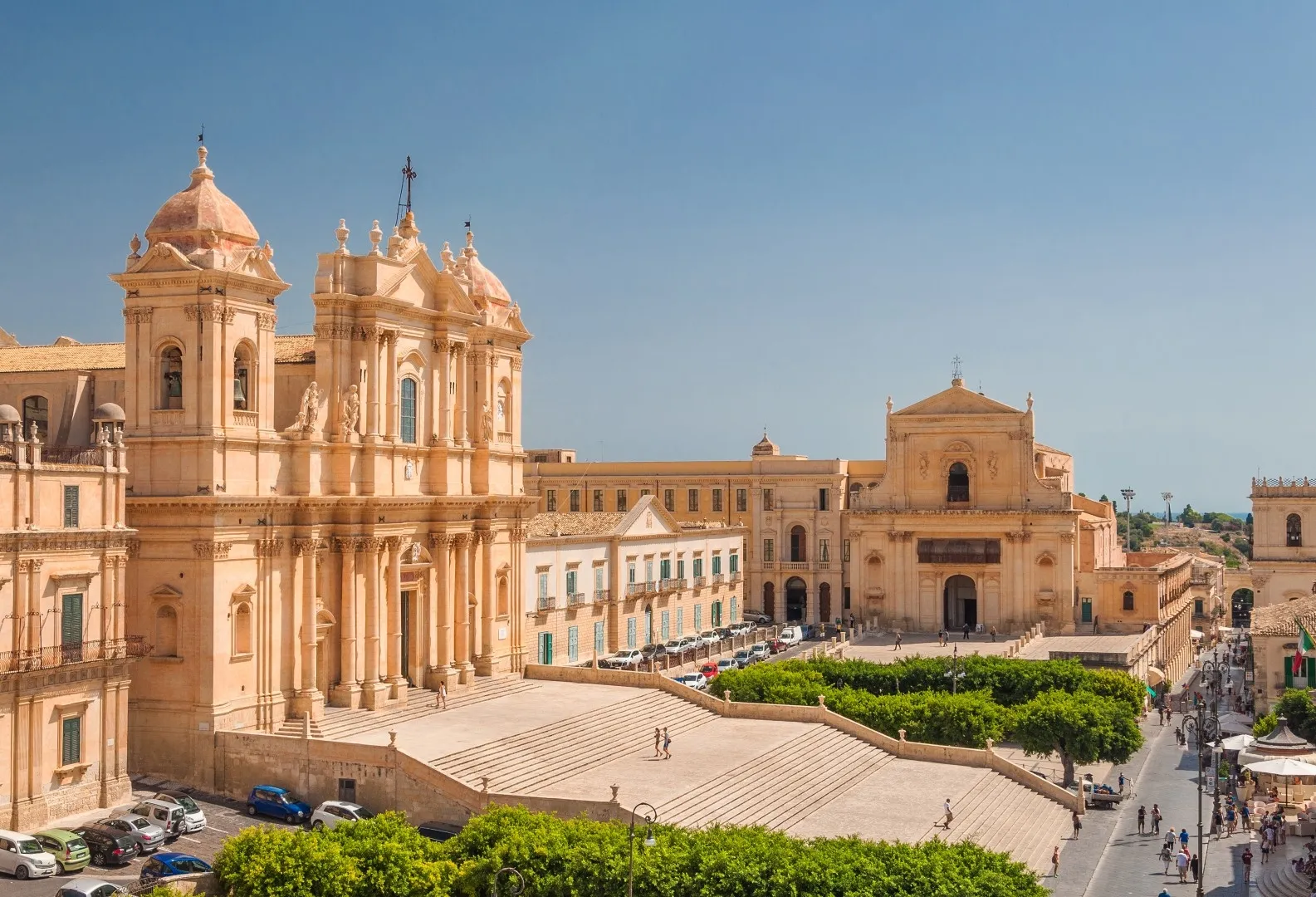

Sardinia - Castelsardo
Miramare Penthouse
€239,000

Everything you need to know, eligibility, the buying process step by step, costs, taxes, and the regions that make most sense for international buyers.

Eligibility
Italy applies what is called the reciprocity principle: citizens of countries that allow Italian nationals to purchase property under the same conditions can buy freely in Italy. In practice, this covers virtually every major buyer market.
Citizens of all EU member states have unrestricted rights to purchase Italian property. For non-EU buyers, including Americans, British citizens post-Brexit, Canadians, Australians, and others, the reciprocity agreements in place mean the answer is still yes, with no meaningful additional restrictions.
You do not need to be an Italian resident to buy property in Italy. You do not need to have an Italian bank account at the outset (though it is strongly recommended). And you do not need to visit Italy to complete parts of the process, the preliminary stages can be handled remotely, with the final deed signed either in person or via a notarised power of attorney.
The buying process
The Italian buying process has a clear structure:
1. Make a purchase proposal: once you've found the right property, you submit a written offer. This is typically accompanied by a small deposit (1–2% of the purchase price). If the seller accepts, the proposal becomes binding on both parties. At this stage, your estate agent guides the negotiation and handles the paperwork.
2. Sign the preliminary contract: it is a bilateral binding contract, signed by both buyer and seller, setting out the agreed price, timelines, and conditions. At this point, the buyer pays a deposit of typically 10–20% of the purchase price. The stakes are real: if the seller withdraws, they must return double the deposit. If the buyer withdraws, the deposit is forfeited. This is the moment that locks in the transaction and it gives both parties the certainty to proceed to completion.
3. Due diligence: between the preliminary contract and the final deed, a thorough check of the property is carried out, verifying planning records, cadastral registrations, and any outstanding charges or mortgages. This step is particularly important in Italy, where it is not uncommon to find unauthorised modifications or discrepancies between the registered and actual state of a property. A qualified surveyor or independent lawyer handles this on your behalf.
4. Final deed with the notaio (rogito): the rogito is the final act of purchase, signed before a notaio, a public official mandated by Italian law to authenticate property transactions. The notary is required by law and cannot be bypassed. They verify all documentation, calculate and collect the applicable taxes, and register the property transfer in the public records. Your presence is required or, if you cannot attend in person, a notarised power of attorney signed in your home country allows a representative to sign on your behalf. If the deed is in Italian only, a sworn interpreter must be present. The notaio handles the registration of the deed with the Italian Revenue Agency and the transcription in the public property registers. You are now the legal owner.
Where to buy
Italy's property market is remarkably varied. Prices, lifestyle, property types, and the profile of the international buyer community differ significantly from region to region. Here is an honest picture of the destinations that matter most for the buyers we work with.
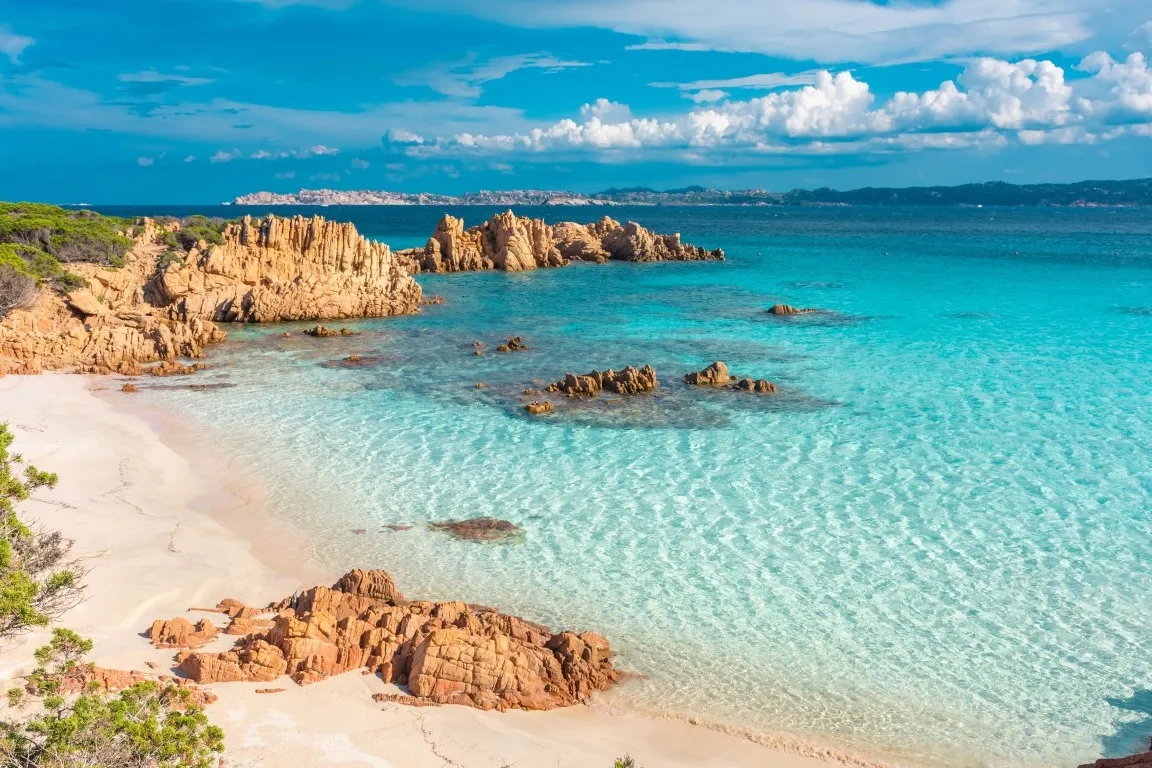
7% of international demand, but growing fast, especially in the luxury segment. Preferred destination for Swedish, Dutch, German, and UK buyers. Flat tax 7% applies. Property prices in coastal areas average €2,420/m² across the island, with premium locations significantly higher.
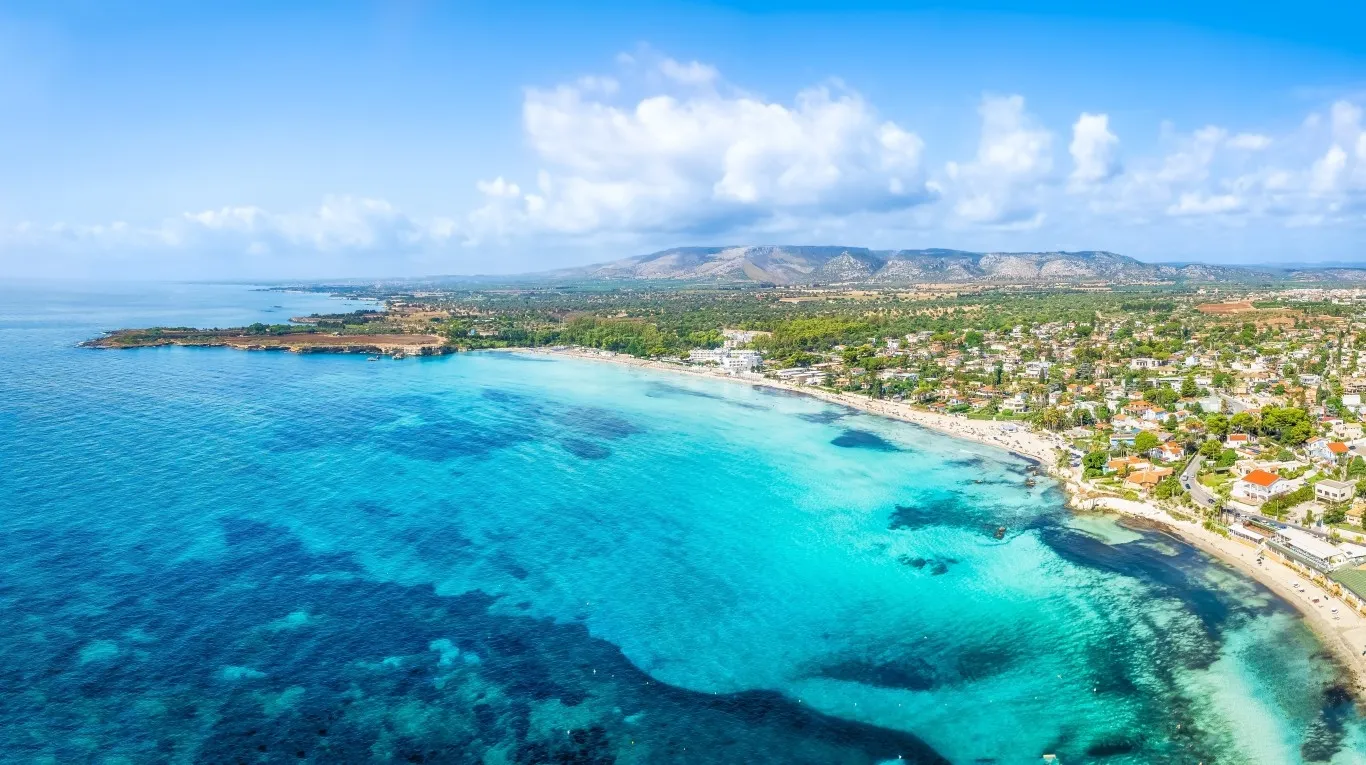
21% of all Italian property inquiries from international buyers. Leading destination for Americans (30% of regional demand), UK buyers, and Germans. Flat tax 7% applies in qualifying municipalities. Strong short-term rental market fuelled by record tourism.
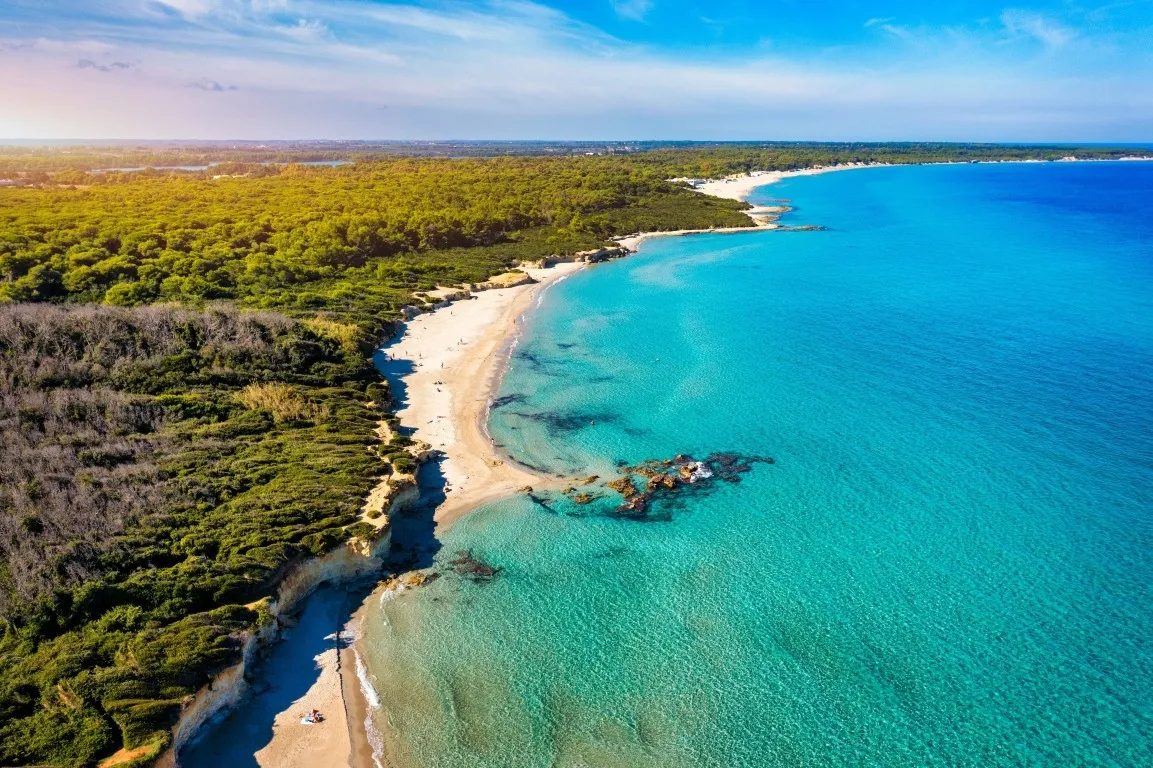
20% of international inquiries. Particularly popular with US, UK, and German buyers. The masseria, the trullo, the whitewashed hilltowns of the Valle d'Itria, Puglia offers a property type and landscape unlike anywhere else in Italy. Flat tax 7% applies.
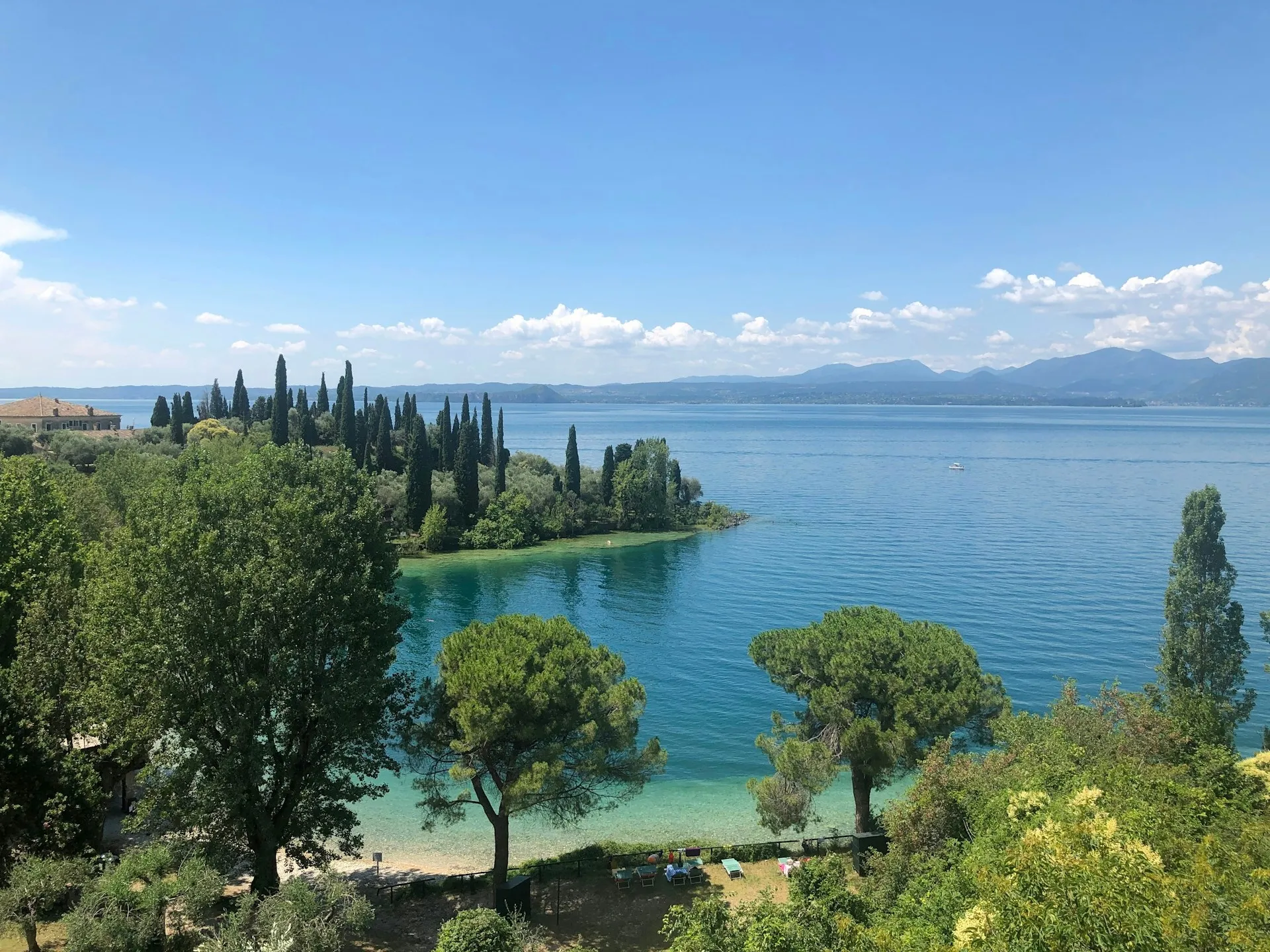
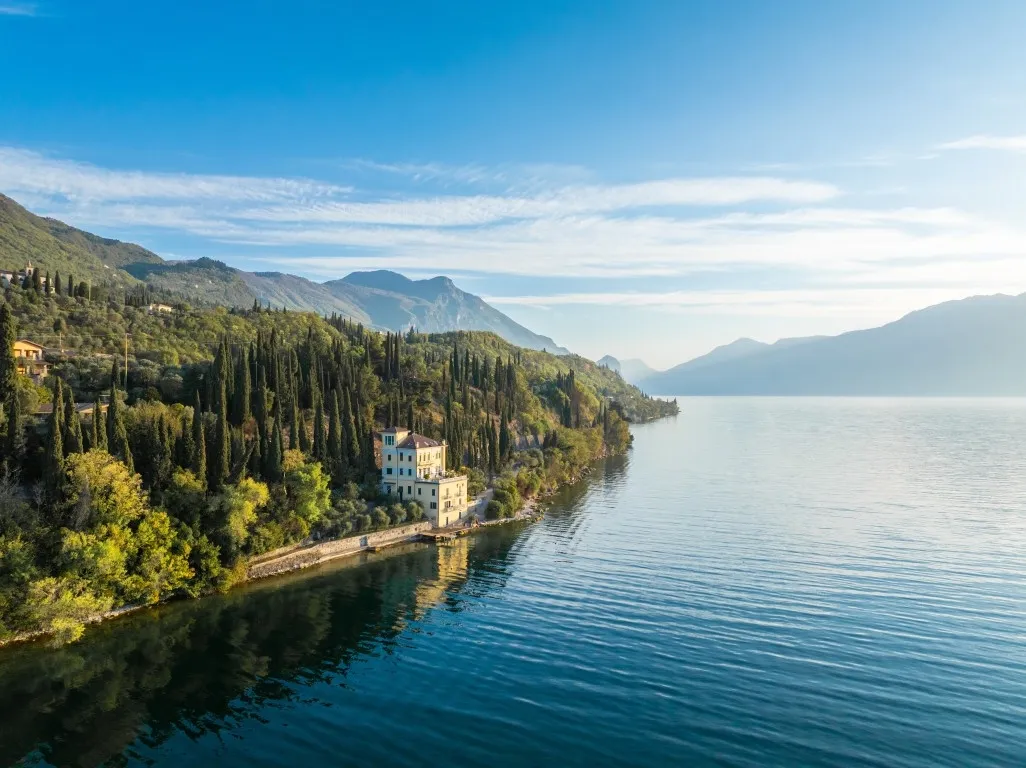
Italy's largest lake, and one of its most internationally recognised addresses. Popular with Swiss, German, UK, and French buyers. Year-round accessibility, mild climate, and a property market that has remained consistently strong across economic cycles.
Request information or book a videocall with us.