Sicily - Marzamemi
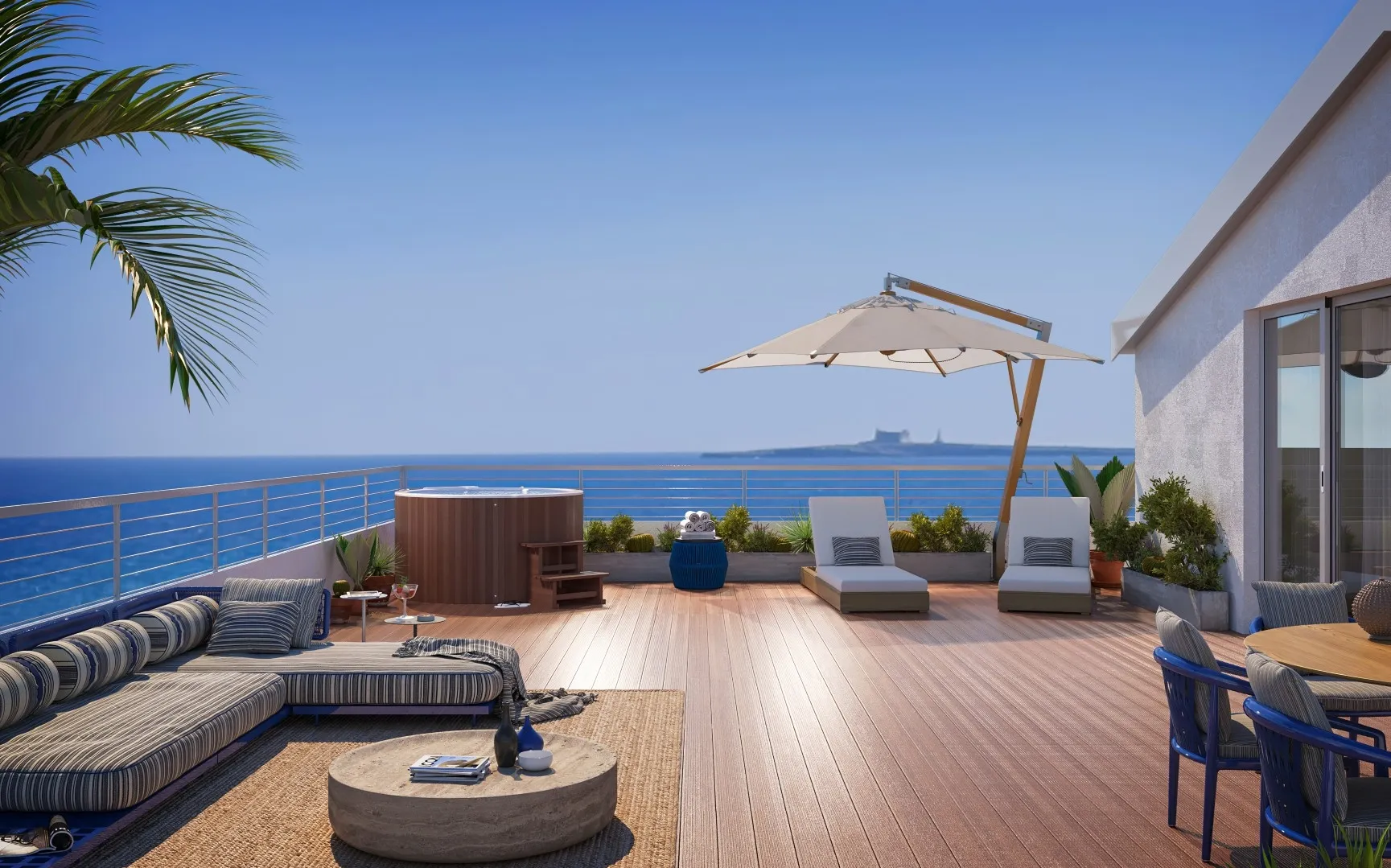
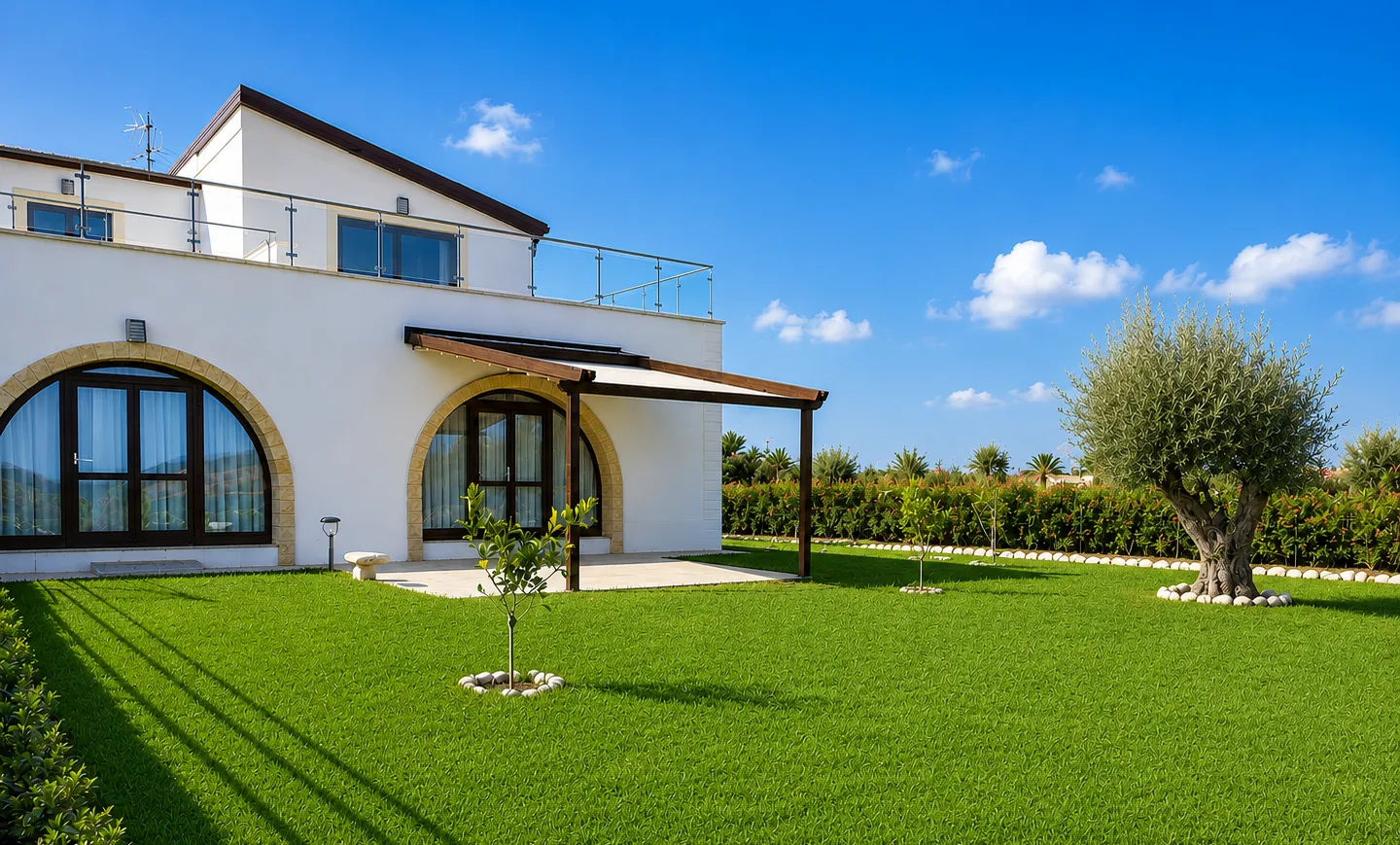
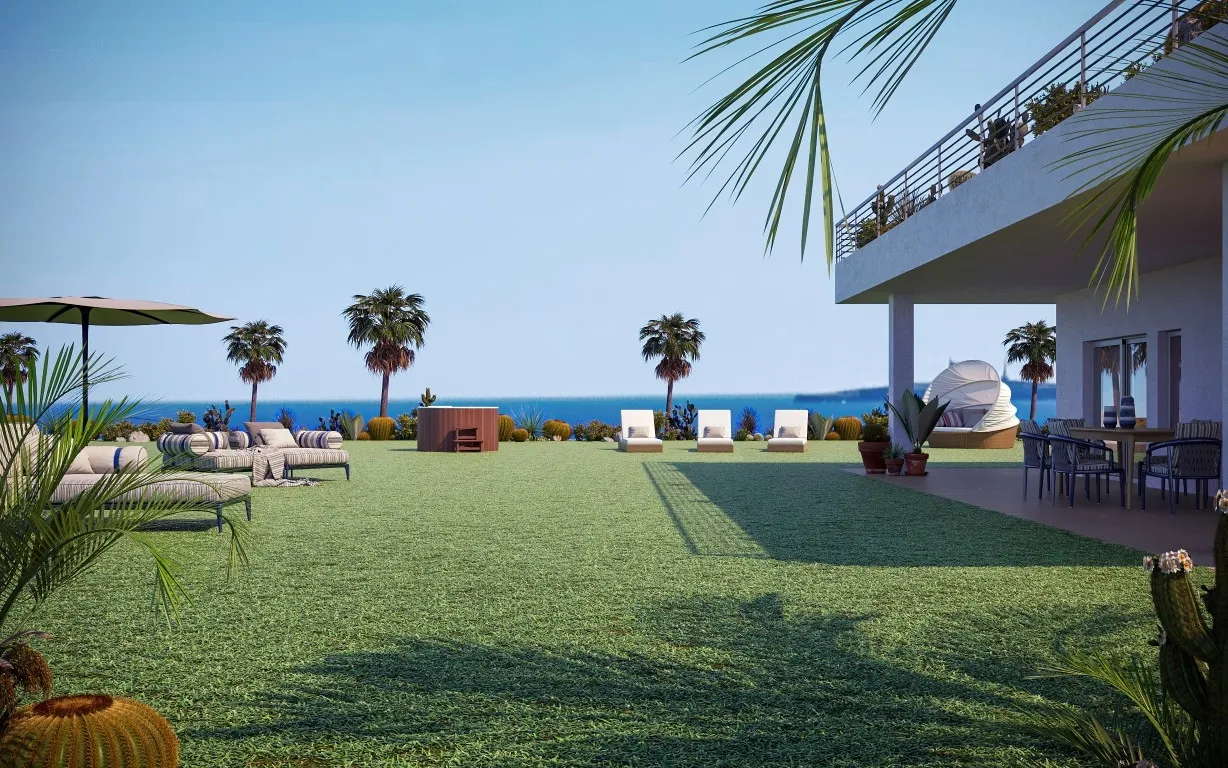
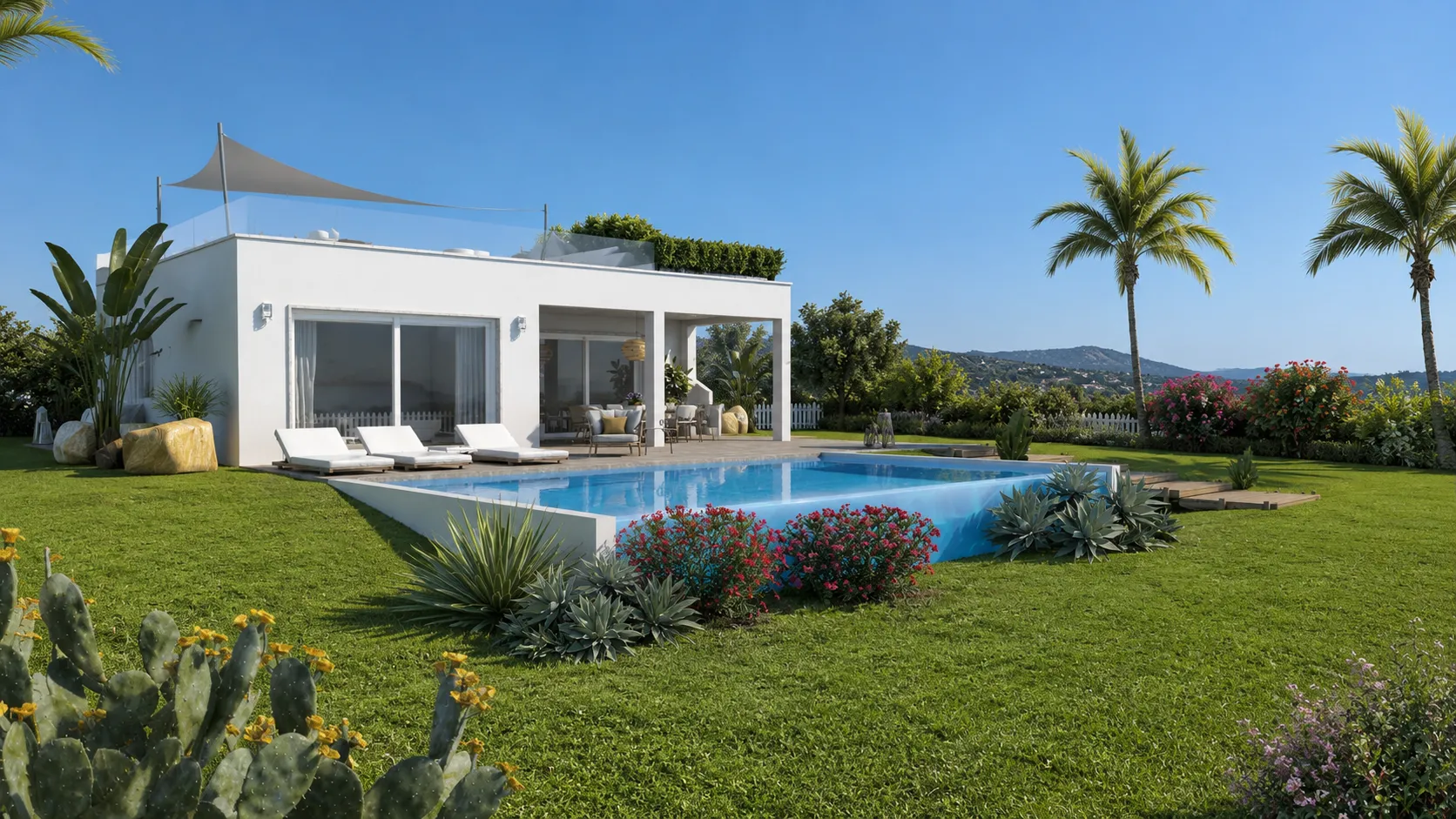
Azure Seafront Villa
€749,000

What it actually means to live under a Mediterranean sky and why it's changing where people choose to buy property in Italy.
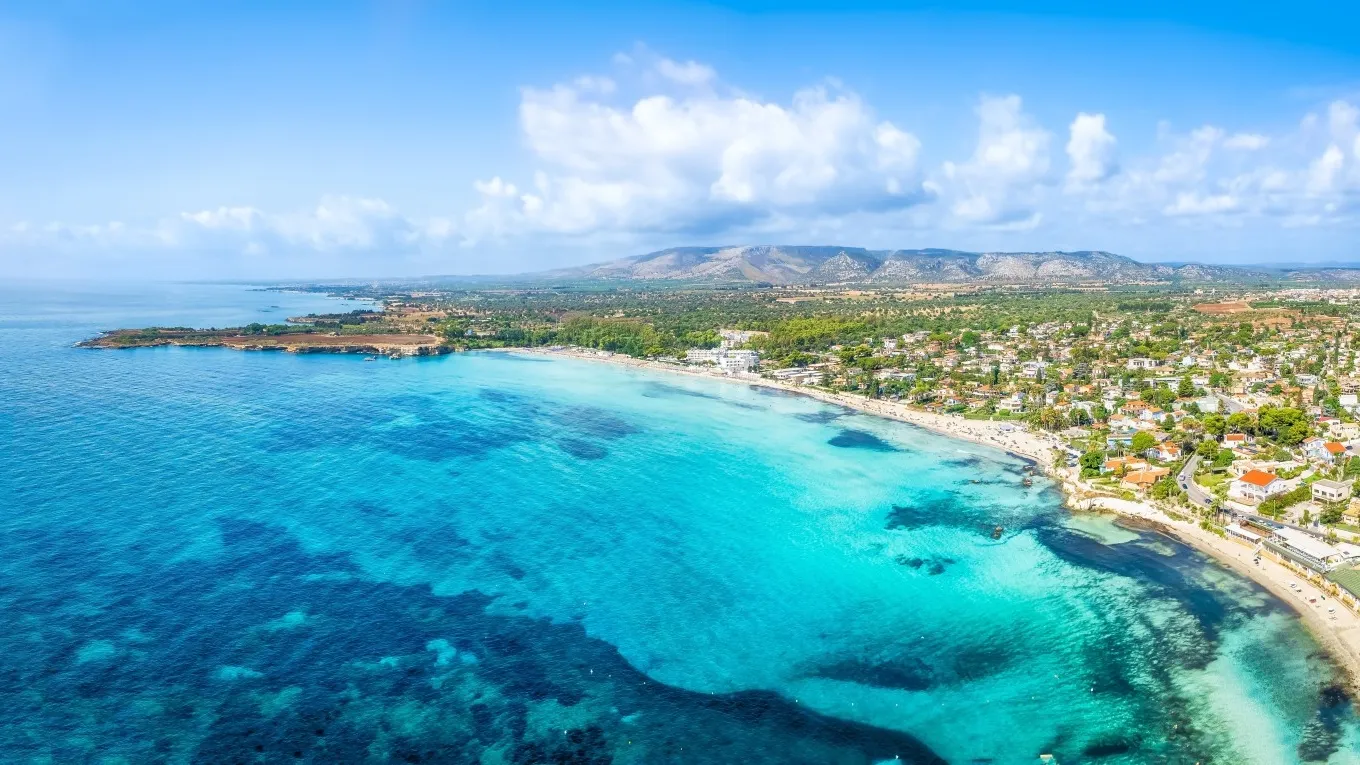
The climate
Sicily's climate is classified as Mediterranean, which means hot, dry summers and mild, briefly wet winters. But within that, the island has enough variety to offer something different depending on what you are looking for, and when.
Spring: the island comes alive. Almond and citrus trees are in blossom, the countryside is intensely green, and the tourist crowds are still months away. The ideal season for exploring inland Sicily, the Baroque towns of the southeast, the Etna foothills, the ancient Greek temples at Agrigento.
Summer: long days, dry heat, sea water at 27°C. The island's coastal areas are at their most vibrant, the markets, the late evenings, the constant movement between sea and village. Inland Sicily is very hot; the coast catches the breeze. Peak rental demand for properties by the water.
Autumn: many who live here consider this the finest season. The crowds thin, the light softens, the sea stays warm well into October. The Etna harvest, chestnuts, porcini, the grape harvest, turns the tables of local restaurants into something worth planning a visit around.
Winter: the rain arrives, concentrated into two or three months, not spread across the year. But coastal winters are mild, often sunny, and genuinely liveable. This is not a season you endure in Sicily, it is one you use, for slower walks, olive oil tastings, and the places that belong entirely to locals.
Living in Sicily means an extra 900 hours of daylight and warmth every year, not a marginal difference, but a fundamental change in the texture of daily life.
The Sicilian life
The climate shapes everything: the rhythm of the day, the food, the social life, the relationship with time. But the lifestyle in Sicily is not just a consequence of the weather, it is a culture with its own logic, its own pleasures, and its own pace. Understanding that distinction matters for anyone thinking seriously about making a home here.
Where to live
Sicily is a large island, 25,700 square kilometres, with a geography that ranges from cosmopolitan city to isolated mountain village to barely-discovered coastline. Where you choose to base yourself will define your experience considerably more than the island as a whole.
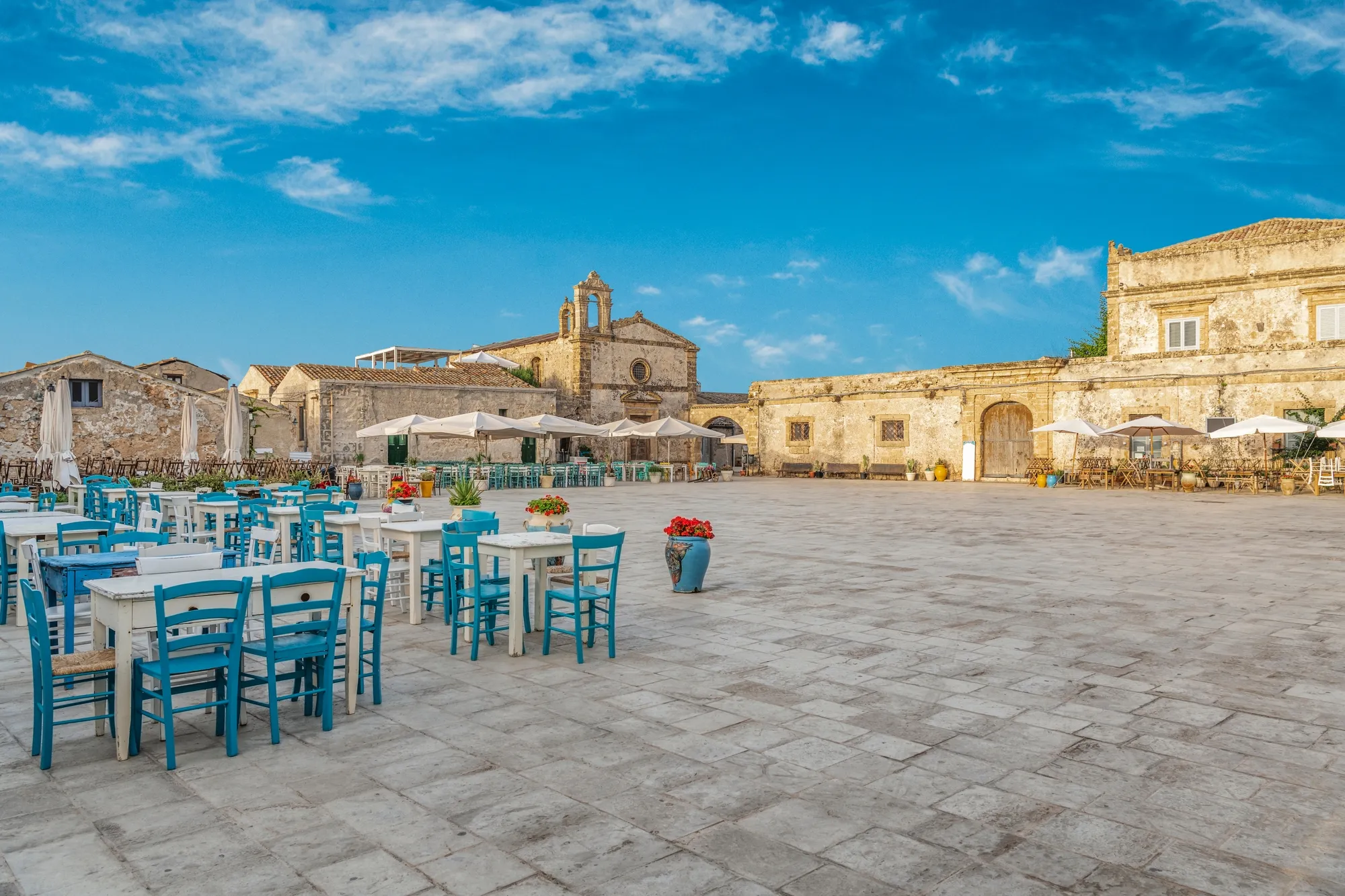
A small fishing village near Pachino with a piazza that fills with tables each summer evening and a coastline of crystalline water and flat limestone rock. One of the last corners of coastal Sicily that still feels like it belongs to people who actually live here rather than arrive for August.
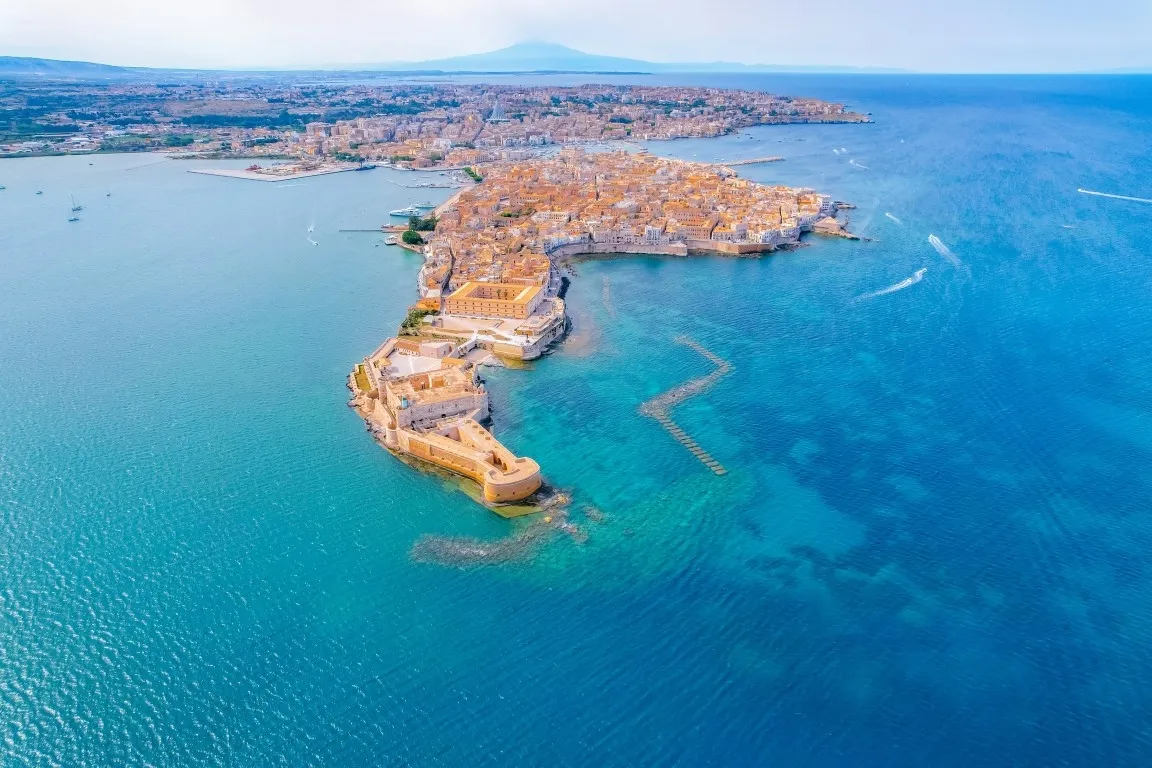
The island of Ortigia, connected to the mainland Syracuse by two bridges, is one of the most architecturally beautiful small urban centres in the Mediterranean. Very popular with expats for its manageability and its setting. More intimate than Palermo, more refined than Catania.
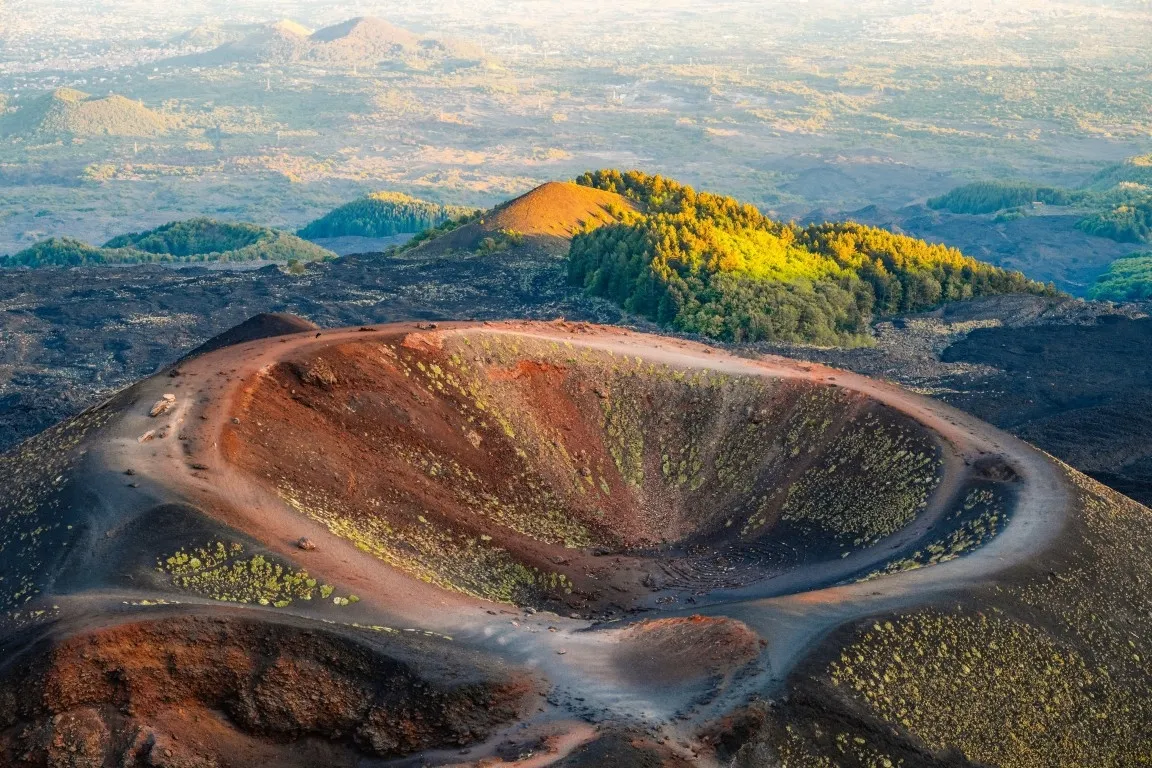
Sicily's second city, with a more contemporary feel and a lively university culture. The gateway to Mount Etna and its extraordinary wines. Comfortable, practical, connected and a base from which the southeast's baroque towns are less than an hour away.
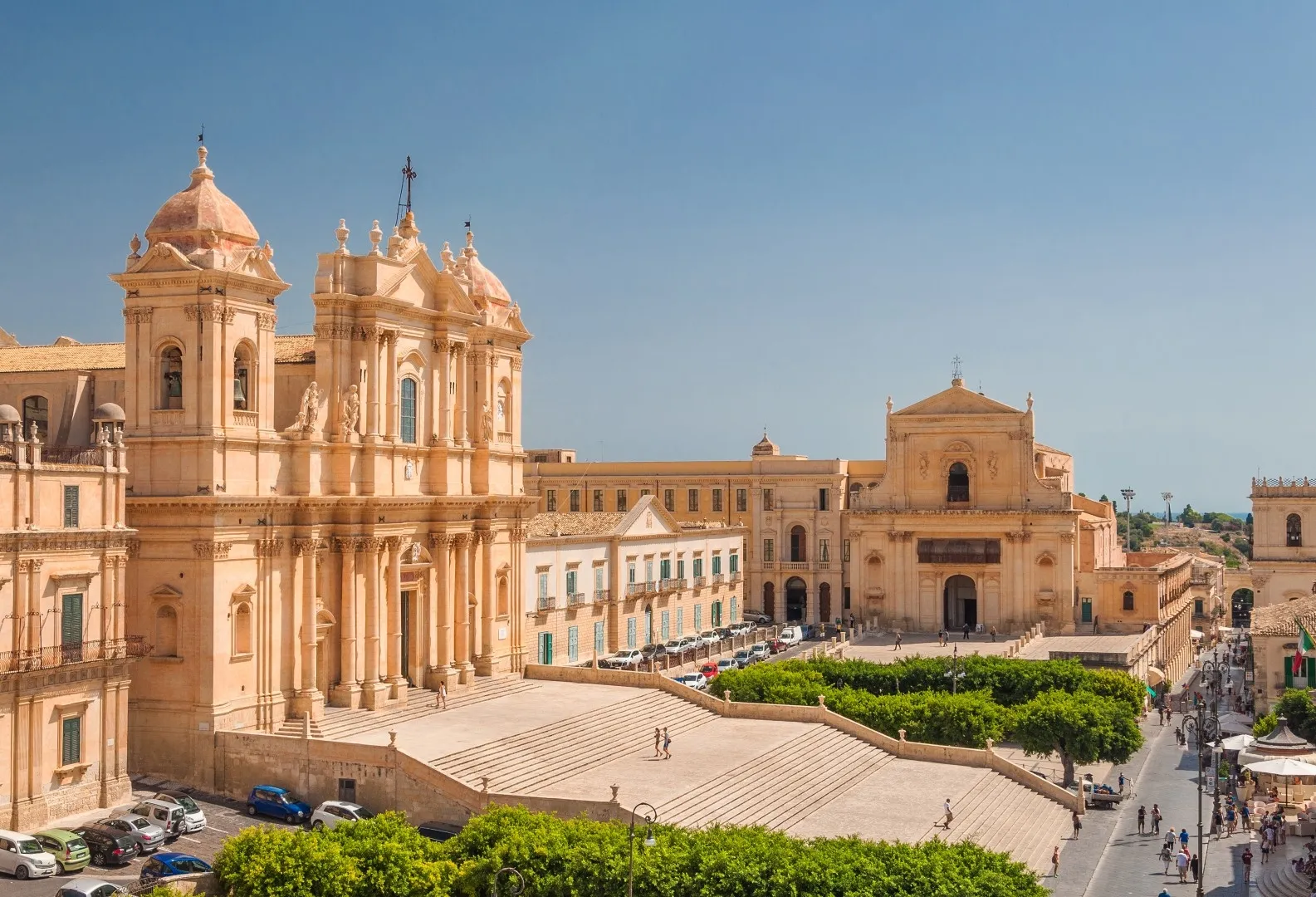
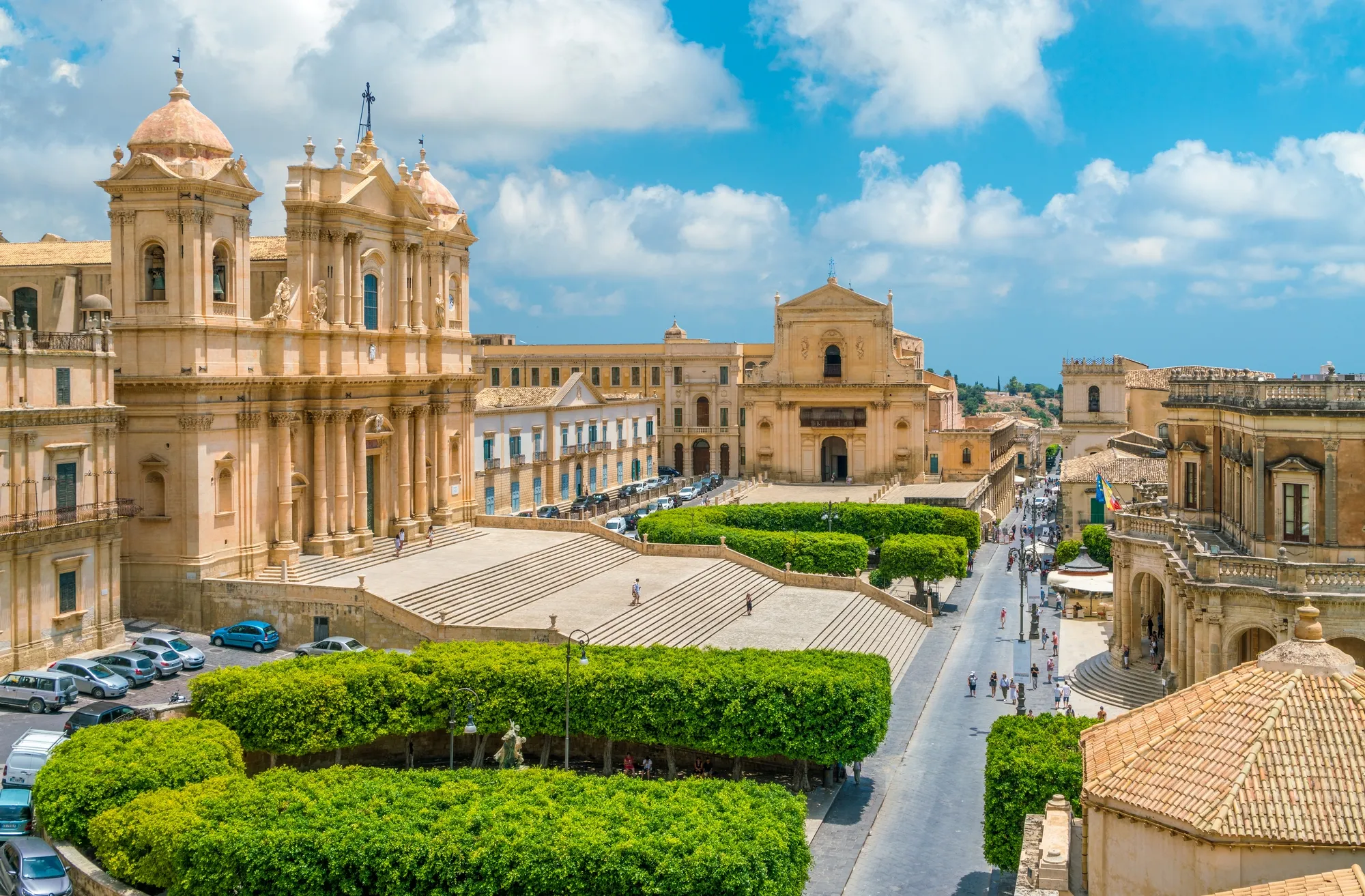
The three jewels of southeastern Sicily. UNESCO-listed baroque towns with a genuinely slower pace of life and property prices, from under €50,000 for habitable apartments, that still reflect an undiscovered market. A car is essential; the reward is authenticity that has not been packaged for visitors.
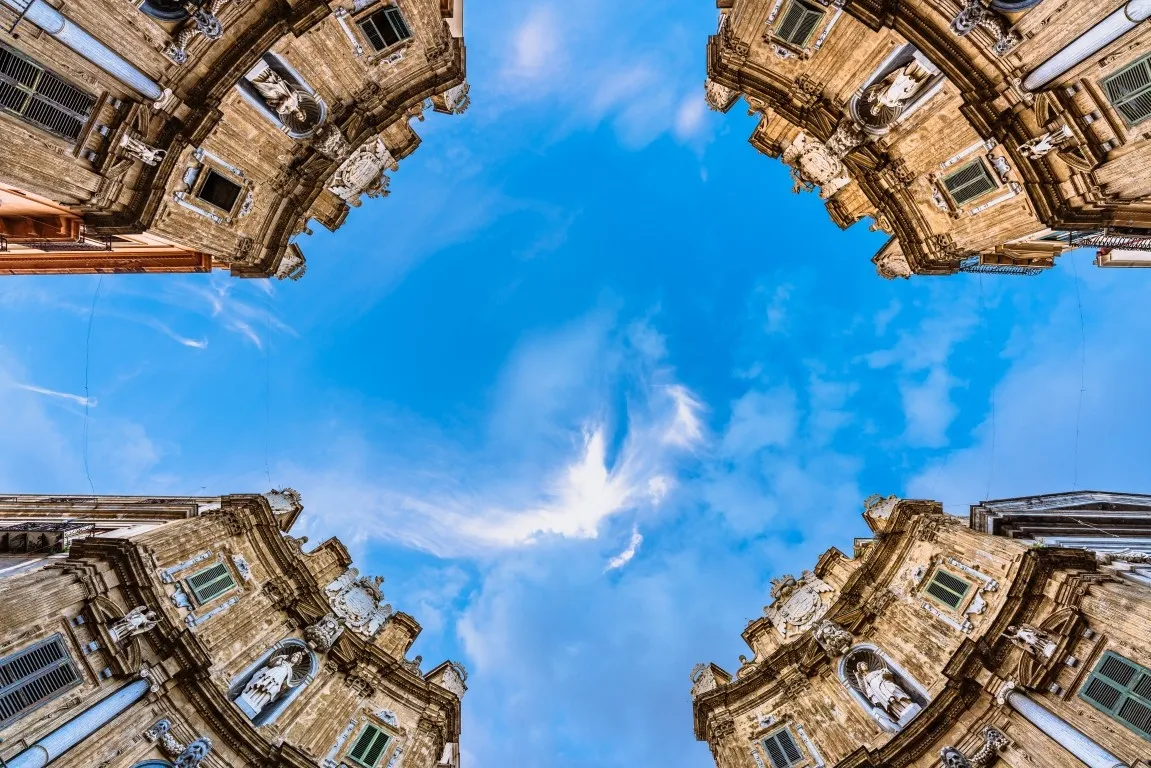
Sicily's largest city, with the island's biggest expat community, direct international flights, English-speaking doctors, and street food markets, Ballarò, Vucciria that feel like living museums. A city of energy and contrast, with rent averaging €8.70/m² in 2025.
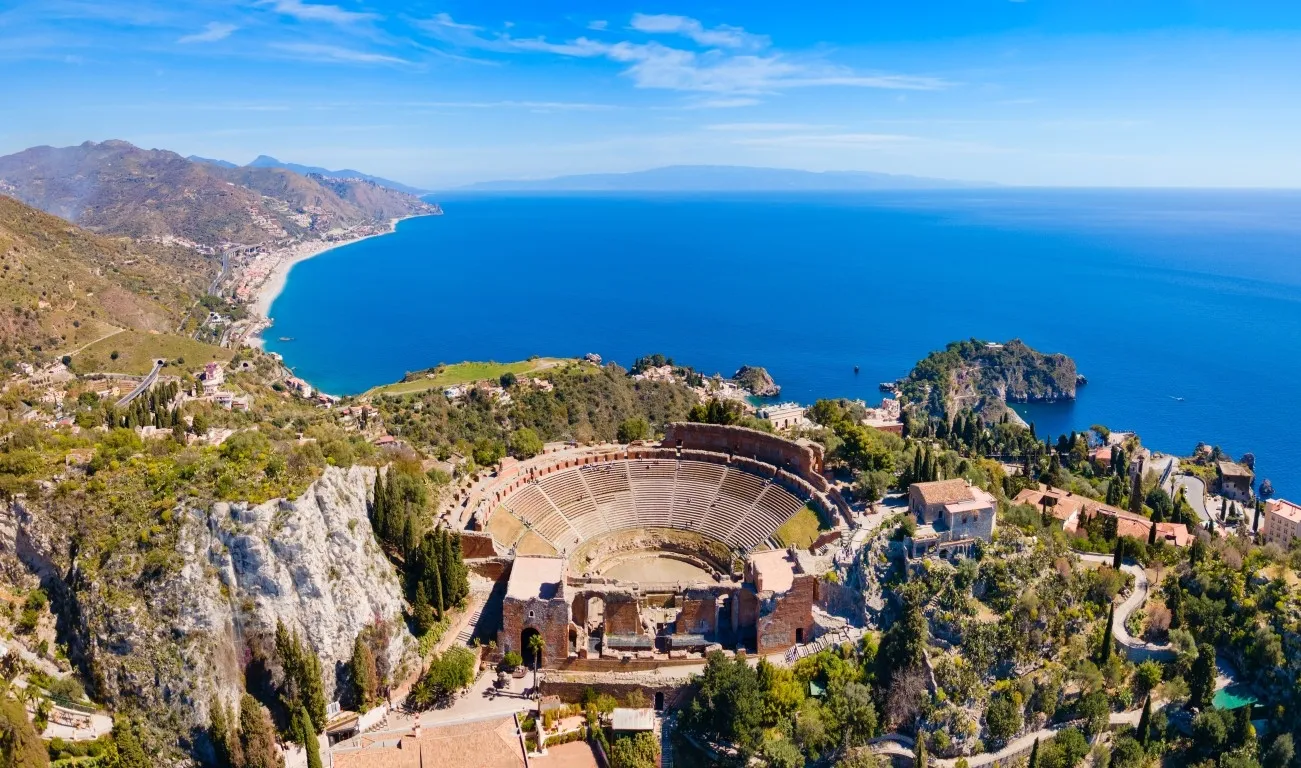
The most internationally recognised name in Sicily, perched above the Ionian Sea with views of Etna. Beautiful, celebrated, and priced to match, rent in Taormina averages €15.20/m², roughly double Catania. A property here is a specific choice, not a first step.
The property market
Sicily is the most requested Italian region among international buyers, accounting for 21% of all foreign property enquiries in Italy in 2024, a figure that has grown consistently over five years. American buyers are the largest group (30% of regional demand), followed by UK buyers (+26% growth in 2025) and Germans (+31% in Sicily specifically).
The property market here spans a wide range. In some inland baroque towns, habitable apartments are available for under €50,000. On the coast, well-positioned sea view apartments and villas range from €150,000 to €600,000+, depending on location, size, and finish. Taormina and its immediate surroundings command a premium that reflects its international profile.
What makes Sicily particularly interesting for buyers with a medium to long-term perspective is the combination of still-affordable prices and consistent demand growth. Coastal properties in well-connected locations, within reach of Catania's Fontanarossa airport or Palermo's Falcone-Borsellino, generate strong short-term rental demand from June through September. Four to eight weeks of summer rental income in a good location can cover a significant portion of annual ownership costs.
There is a moment that most people who have bought property in Sicily describe in similar terms. It is usually not dramatic, a particular evening on a terrace, a market morning in October, a swim in late September when the sea is still warm and the beaches are empty. And the thought that arrives is quiet but persistent: this is what I was looking for.
The 350 days of sun are real. So is the food, the pace, the warmth of the people, the cost of a good life, and the particular quality of light on a Sicilian afternoon. These are not things that diminish on closer inspection, they hold up, and for many of our buyers they have become the foundation of a life they did not previously imagine was accessible to them.
Request information or book a videocall with us.